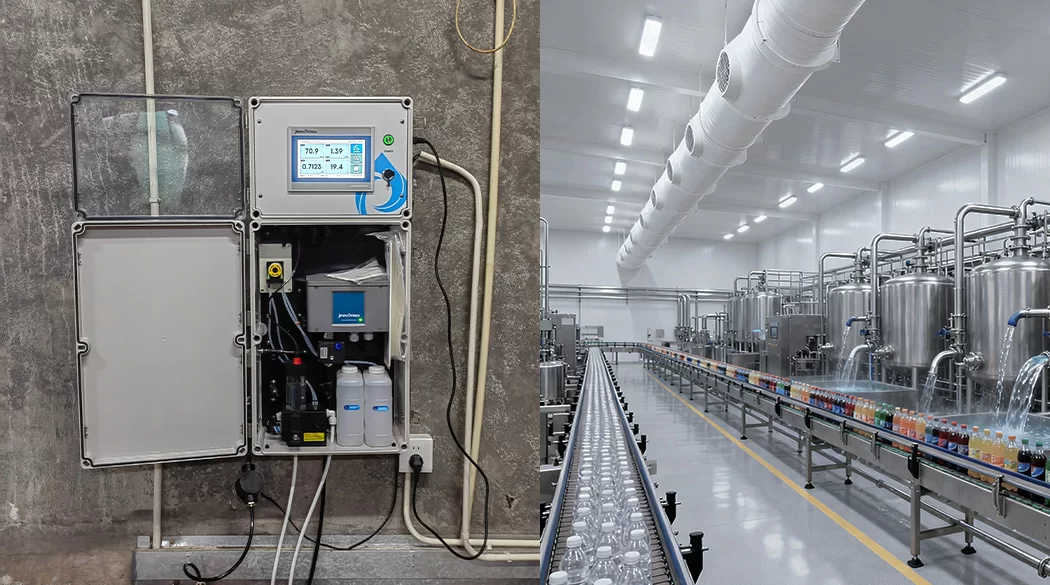
Understanding Residual Chlorine Sensors: A Comprehensive Guide
Maintaining optimal water quality is crucial for a multitude of applications, from swimming pools and spas to industrial wastewater treatment. A key parameter in this process is the level of residual chlorine. Accurate and reliable measurement of residual chlorine is essential for ensuring effective disinfection and preventing health hazards. This article will provide an in-depth look at residual chlorine sensors, their working principles, applications, and the benefits of choosing high-quality sensors like those offered by Jensprima. Proper chlorine monitoring protects public health and prolongs equipment life.
What is a Residual Chlorine Sensor?
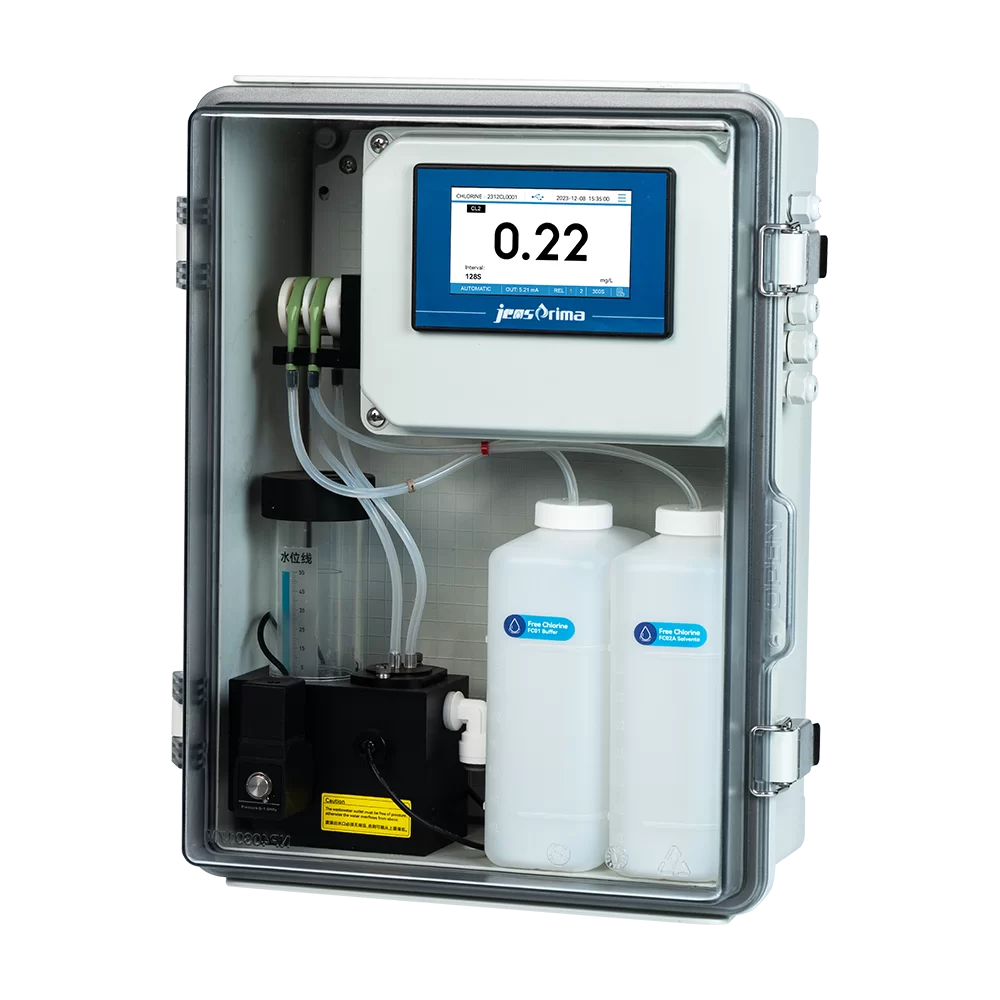
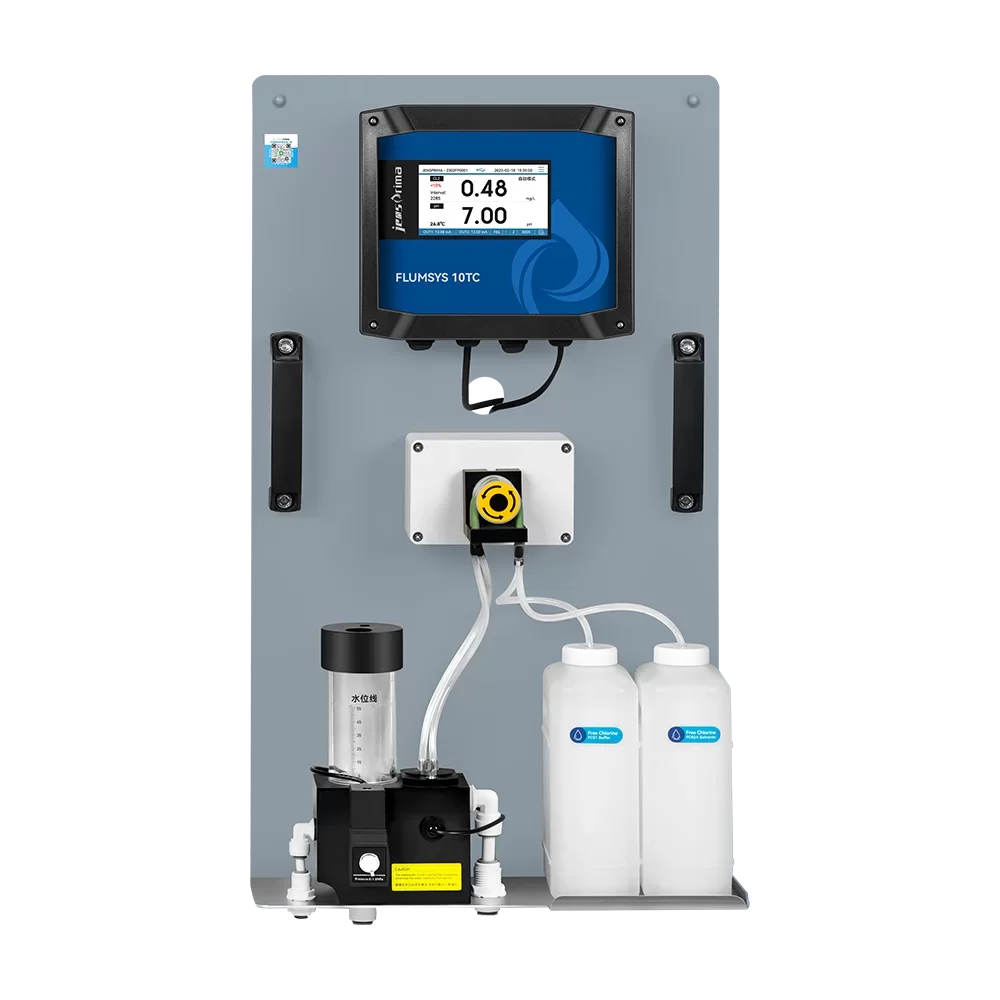
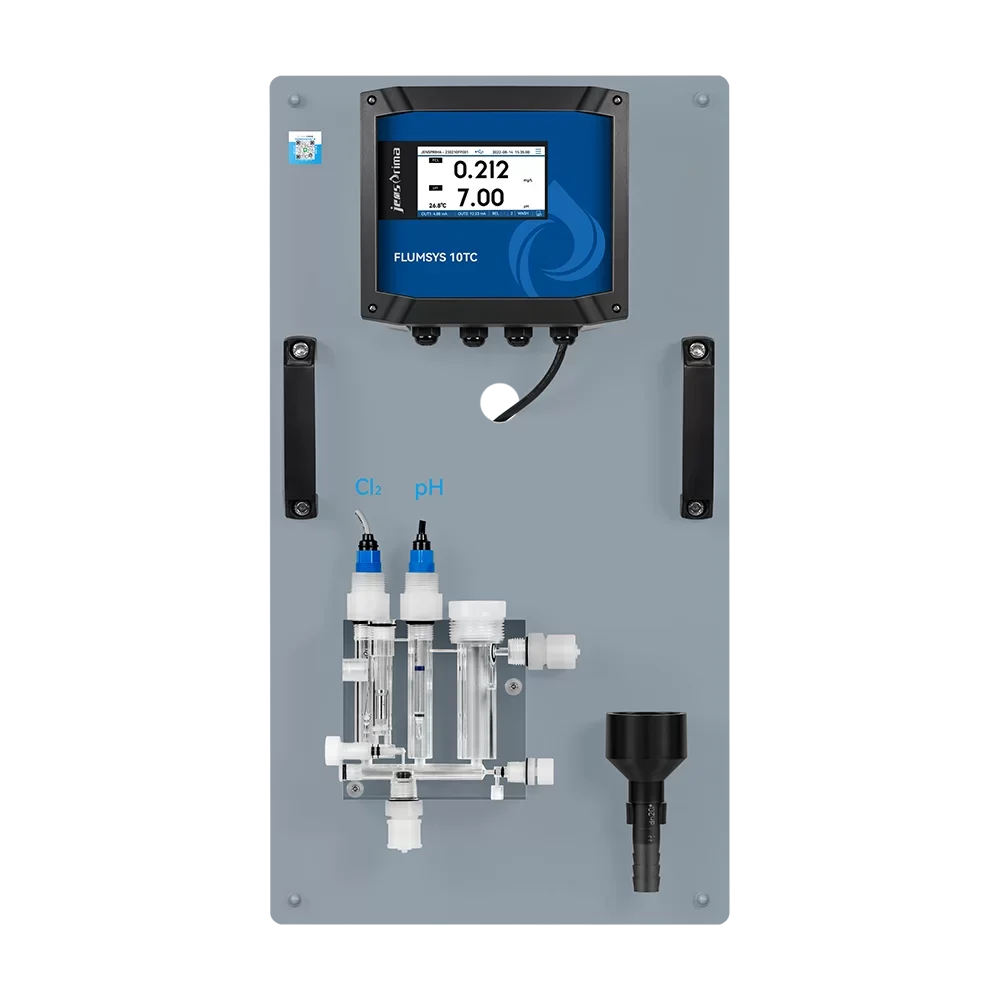
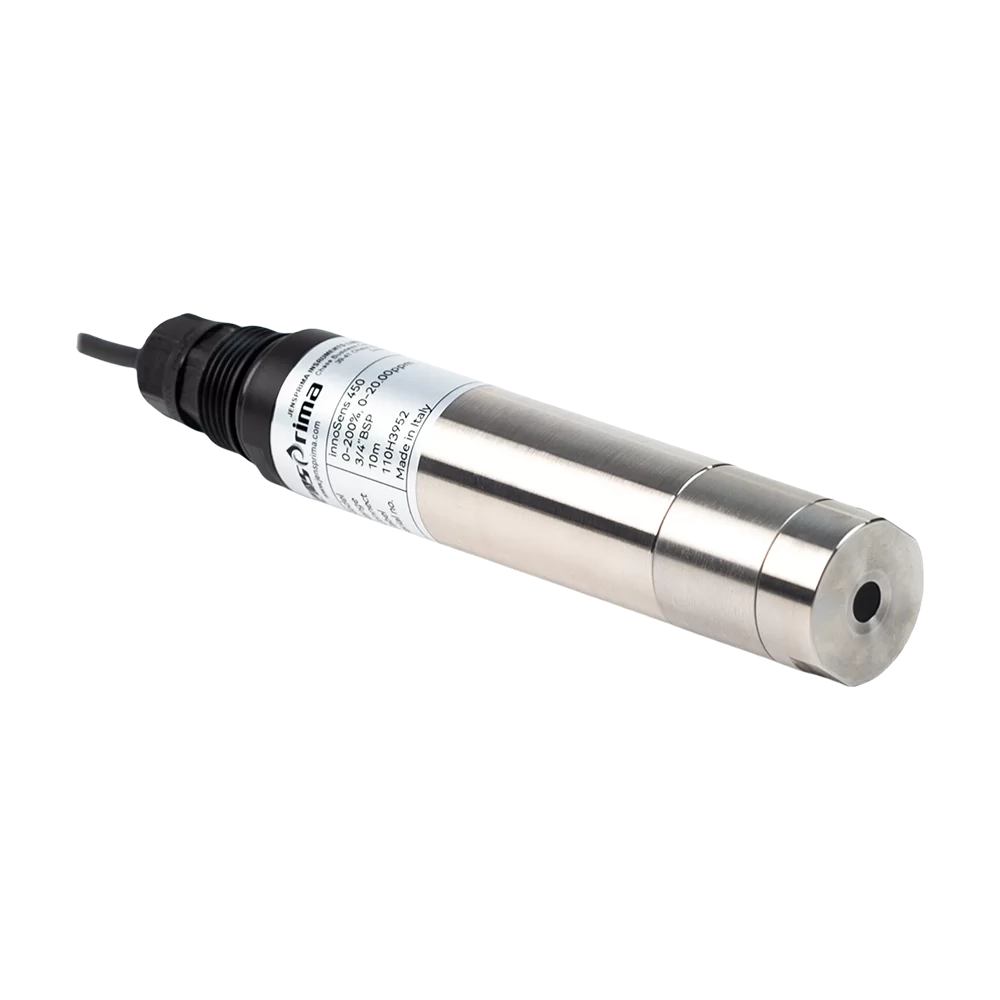
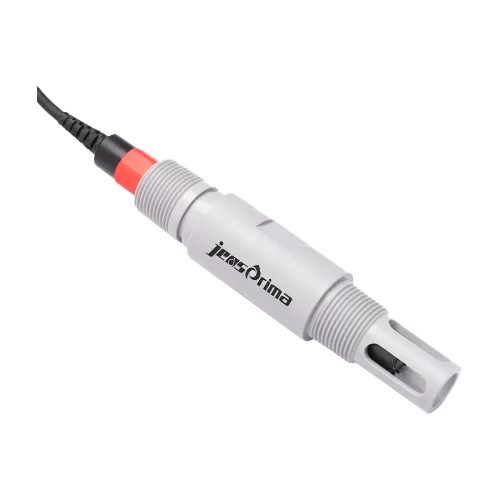
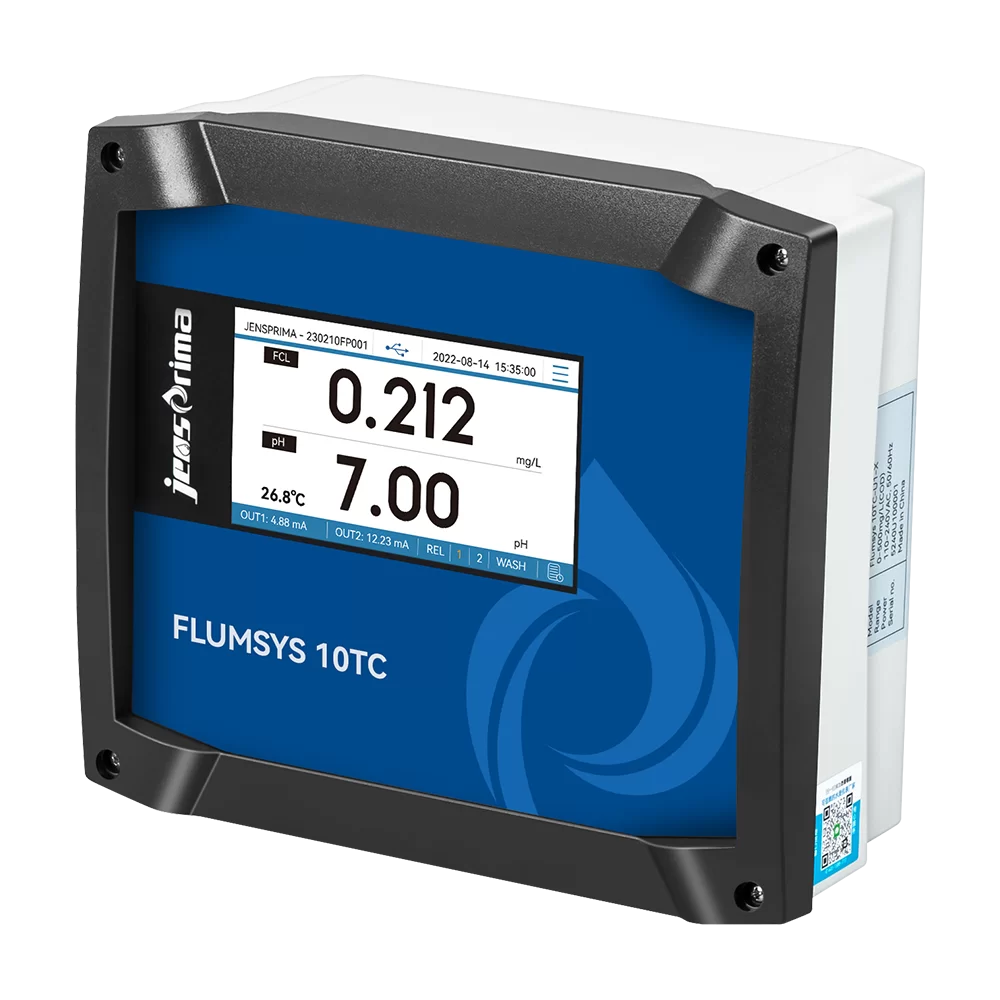
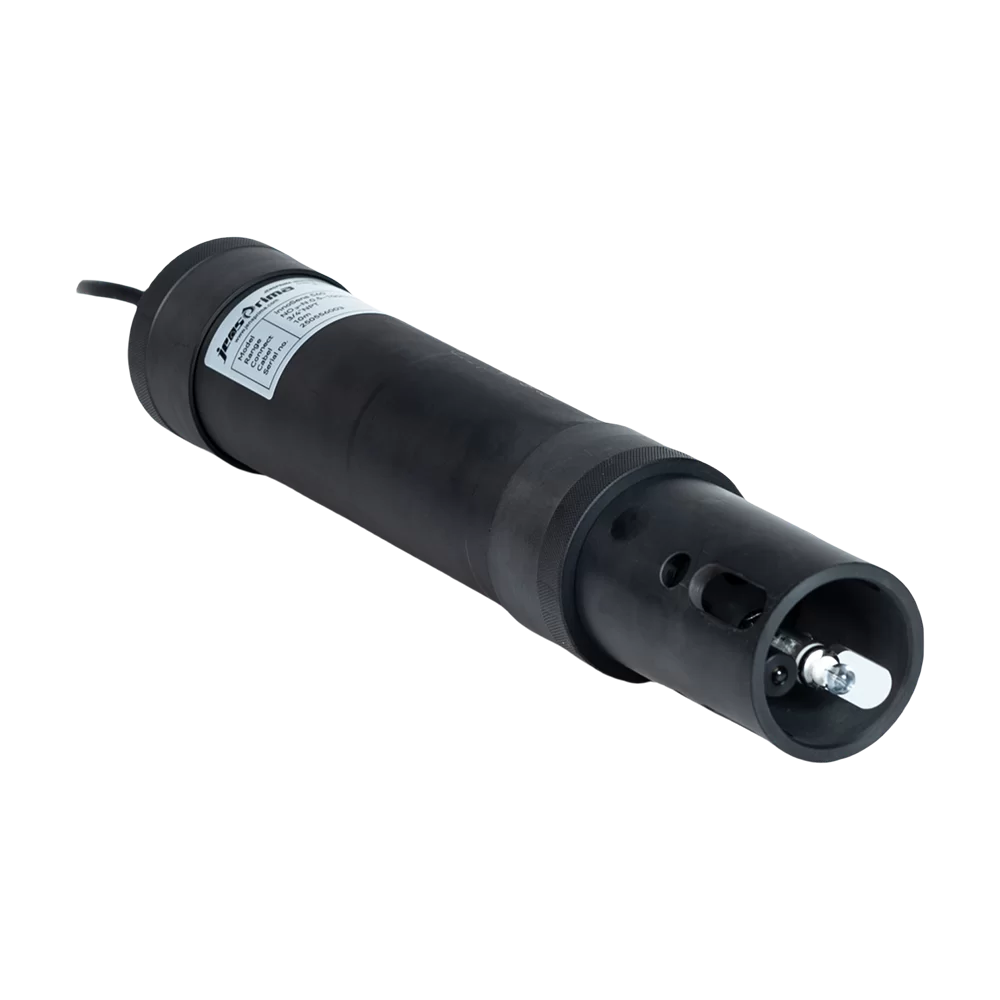
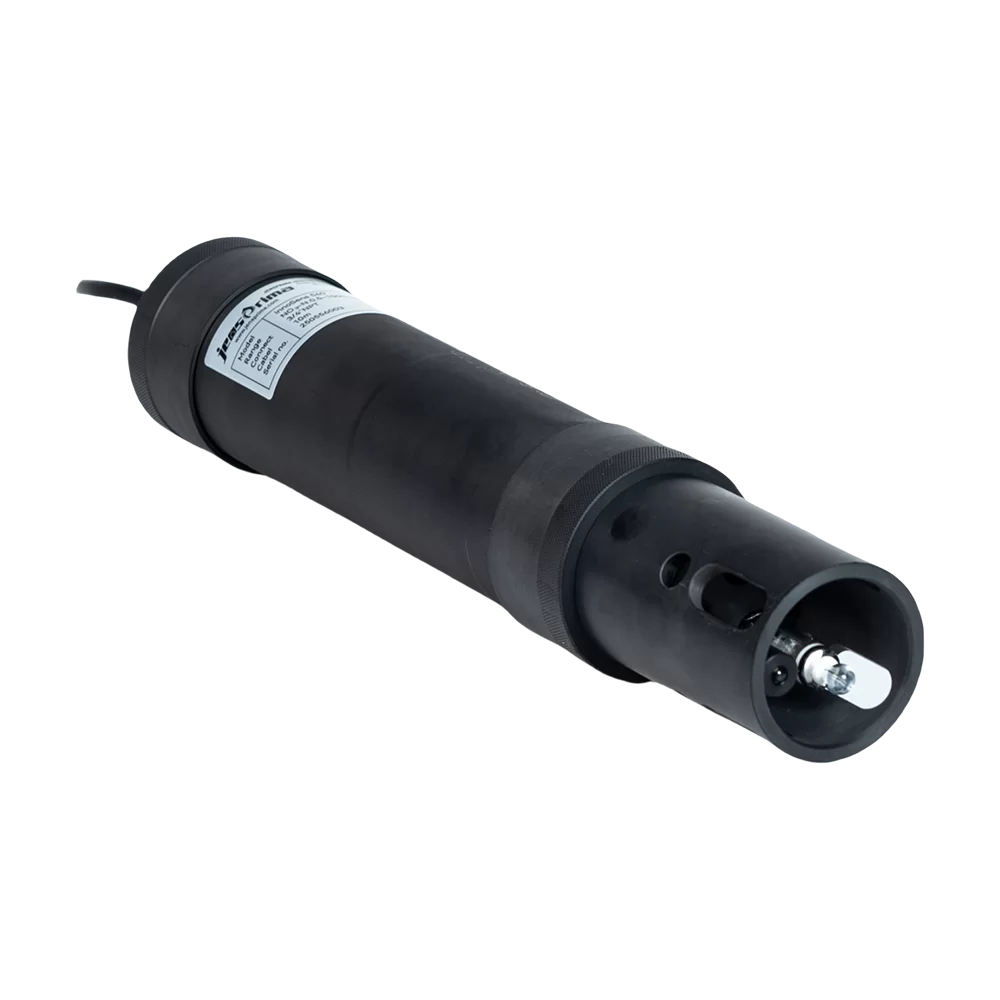
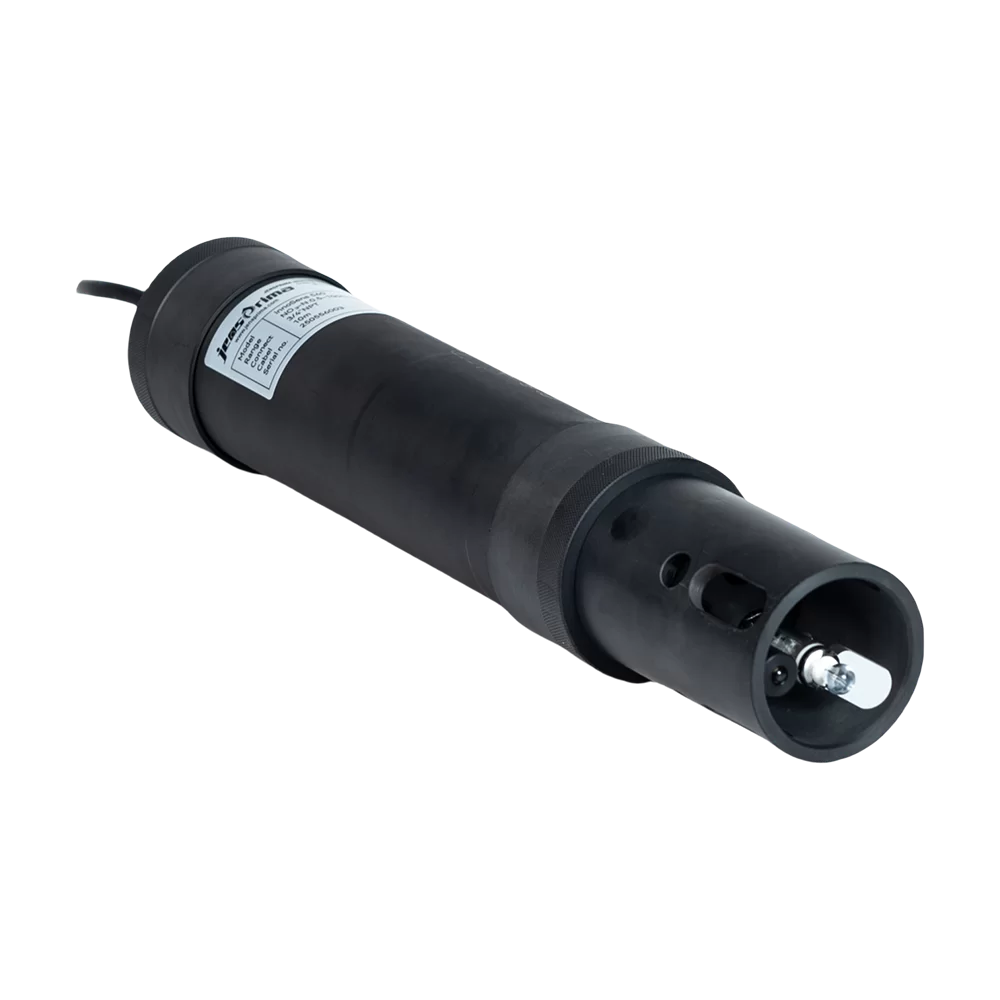
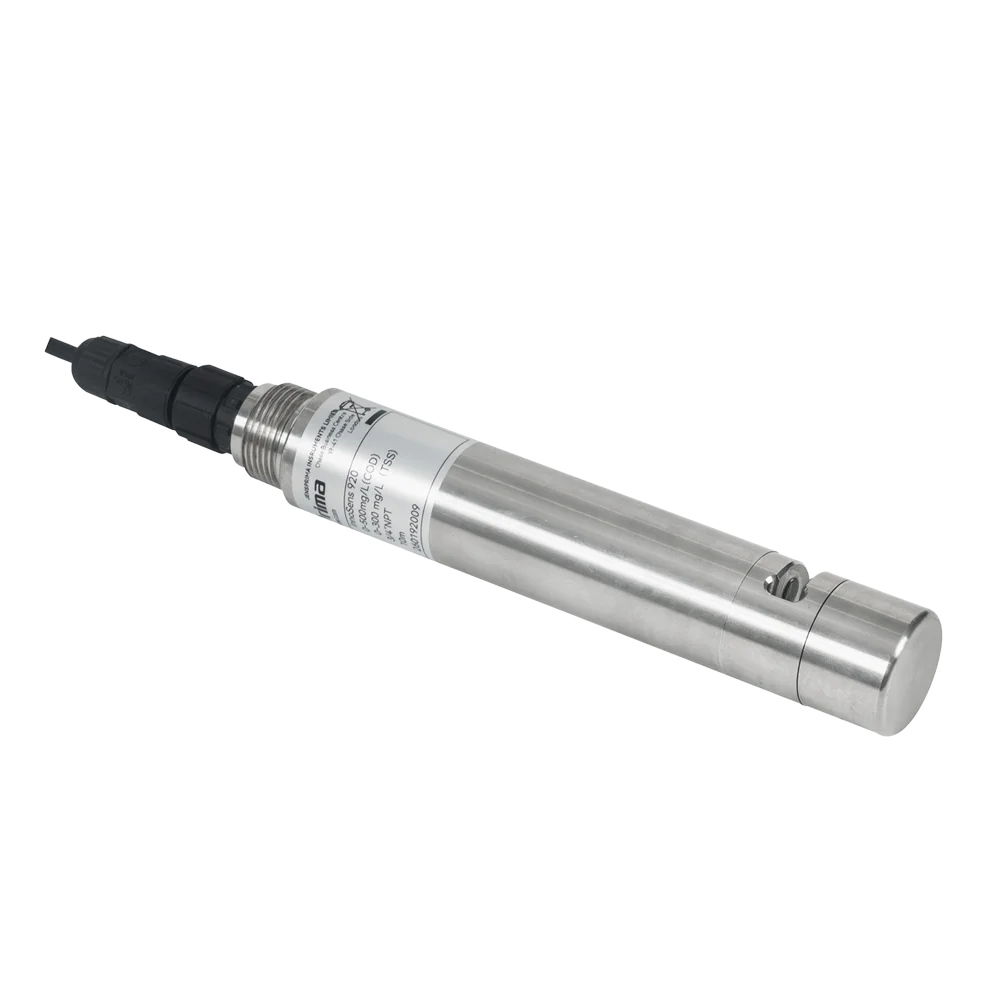
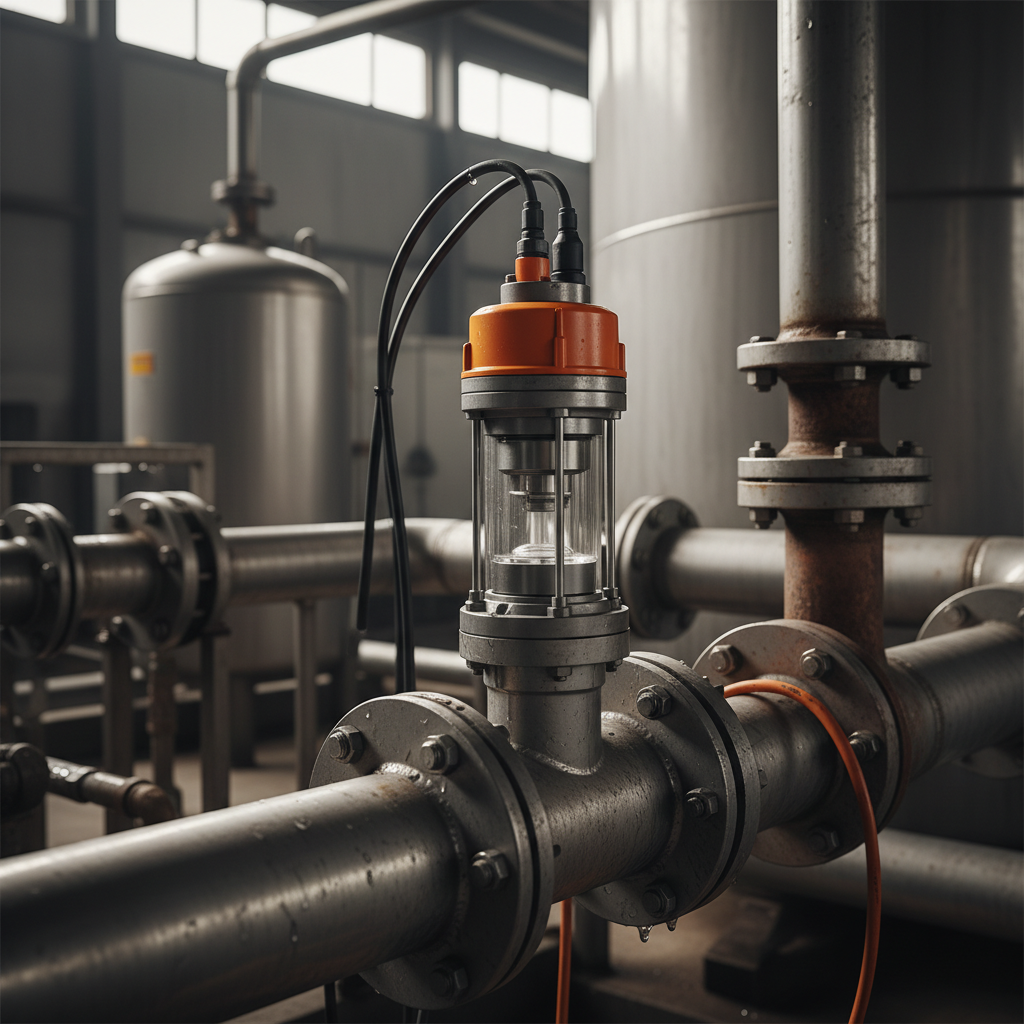
A residual chlorine sensor is a device used to measure the amount of free chlorine remaining in water after it has been used for disinfection. This ‘residual’ indicates the continuing effectiveness of the disinfectant. These sensors utilize various technologies, including amperometric, potentiometric, and colorimetric methods, to provide accurate and real-time measurements. Understanding the principles behind these sensors is vital for selecting the best option for a specific application. They are vital for maintaining safe and hygienic water systems.
Key Highlights: Accurate residual chlorine monitoring is critical for public health, water treatment efficiency, and preventing corrosion in water systems.
How Do Residual Chlorine Sensors Work?
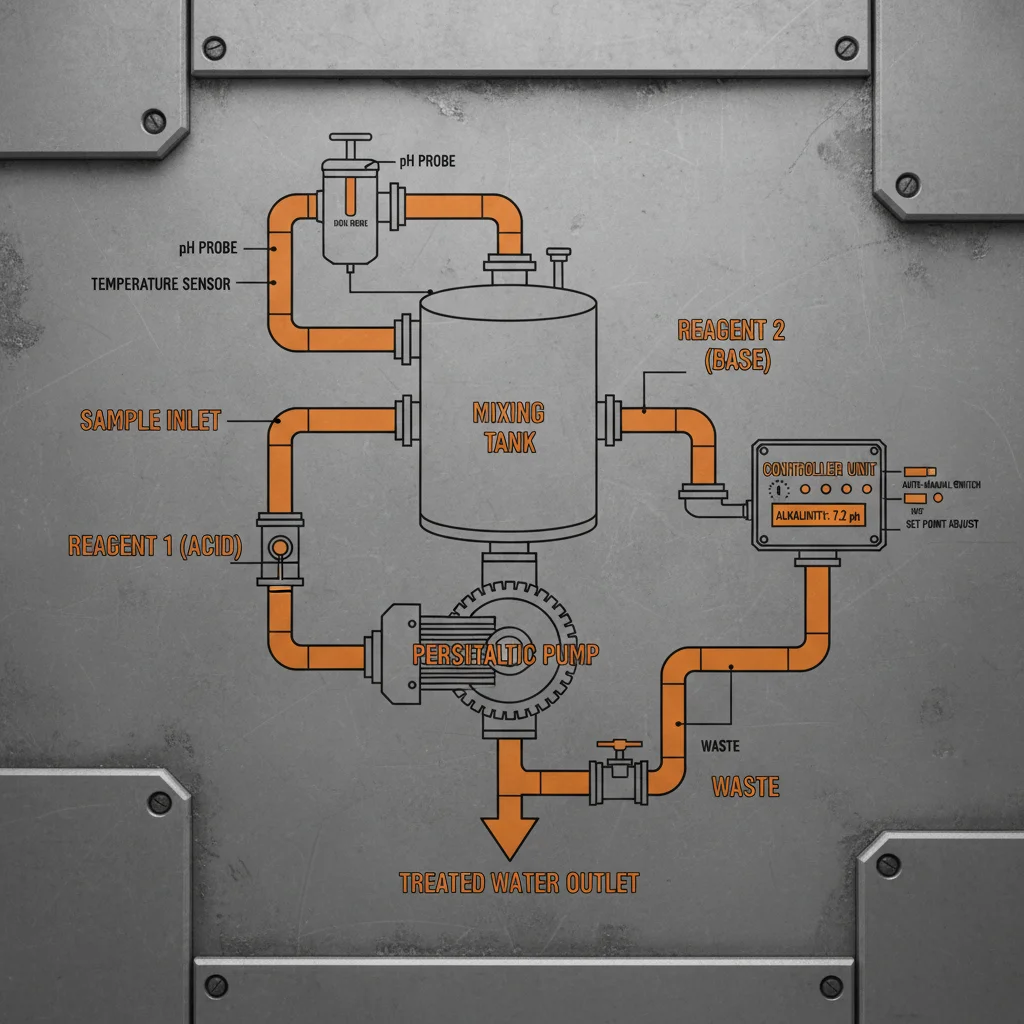
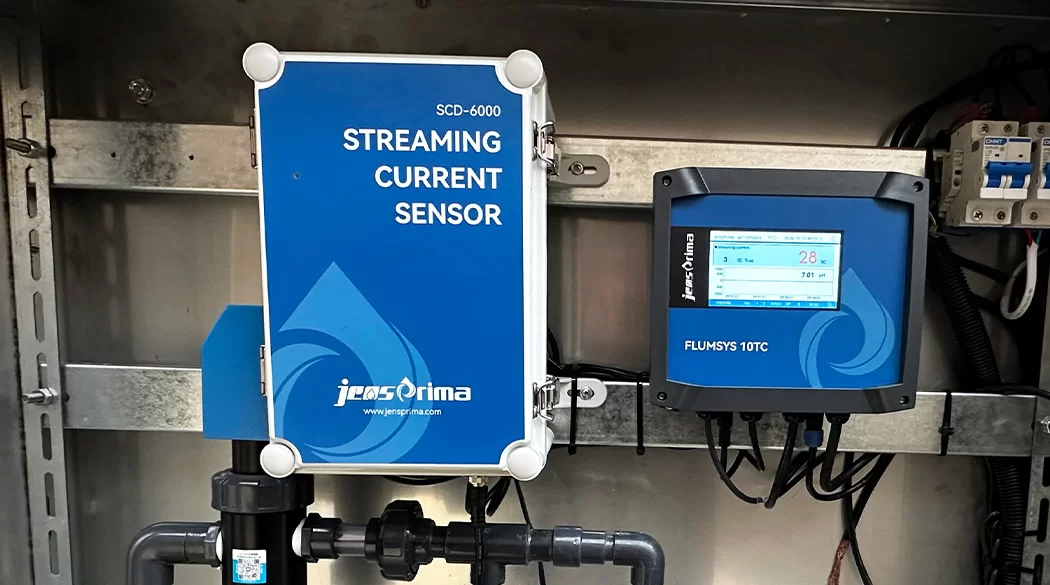
Different types of residual chlorine sensors employ different techniques. Amperometric sensors, the most common type, measure the current generated when chlorine reacts with a sensing electrode. Potentiometric sensors measure the potential difference between a reference electrode and a chlorine-sensitive electrode. Colorimetric sensors measure the absorbance of light by a reagent that reacts with chlorine, creating a colored solution. The choice of technology depends on factors like accuracy requirements, maintenance needs, and cost considerations. Jensprima offers sensors utilizing advanced amperometric technology for superior performance and reliability.
Sensor Technology Comparison:
• Amperometric: High sensitivity, relatively low cost, requires regular calibration.
• Potentiometric: Lower sensitivity, less frequent calibration, susceptible to interference.
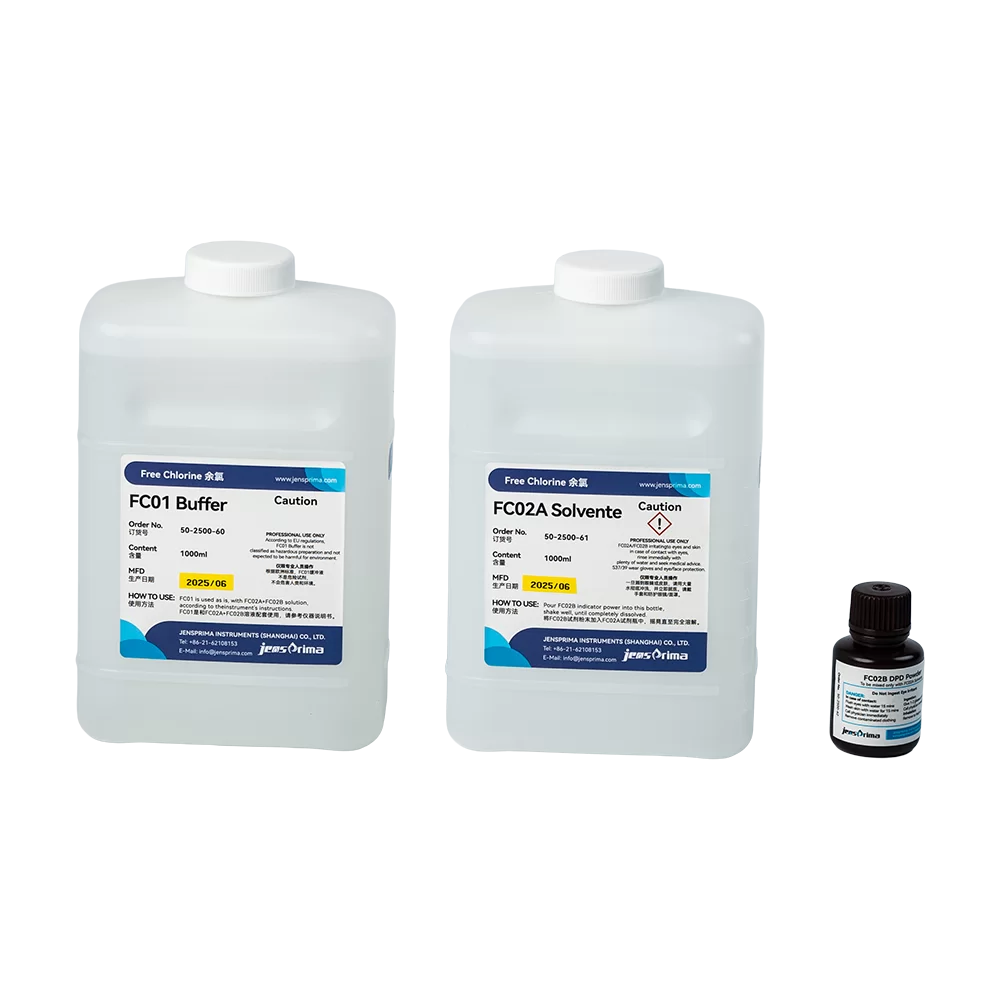
• Colorimetric: Simple operation, moderate cost, reagent consumption required.
Applications of Residual Chlorine Sensors
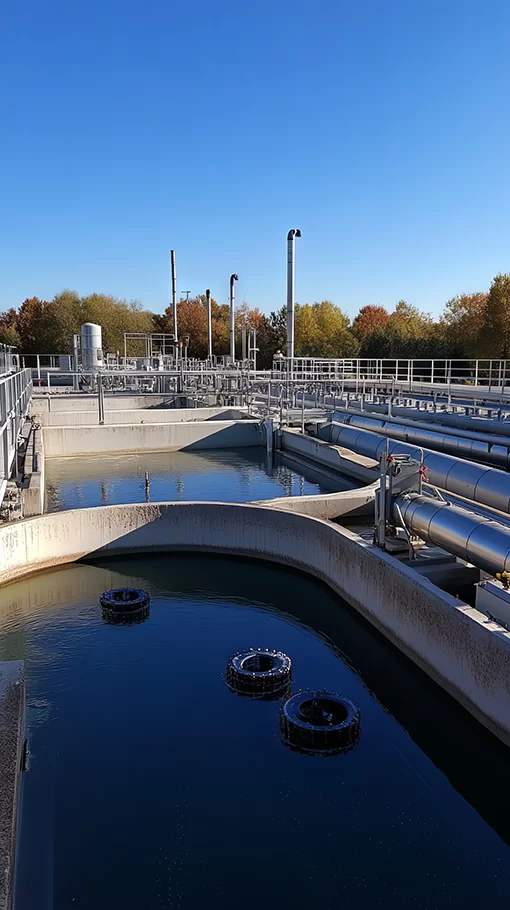
The applications of residual chlorine sensors are widespread. They are essential in monitoring water quality in swimming pools and spas to ensure safe recreational water. Municipal water treatment plants rely on these sensors for continuous disinfection monitoring. Industrial wastewater treatment facilities use them to verify the effectiveness of disinfection processes before discharge. Furthermore, they play a role in the food and beverage industry, ensuring hygienic processing conditions. Jensprima sensors are designed to meet the stringent requirements of these diverse applications.
| Application |
Chlorine Range (ppm) |
Typical Sensor Type |
| Swimming Pools |
0.5 - 3.0 |
Amperometric |
| Municipal Water Treatment |
0.2 - 2.0 |
Amperometric |
| Industrial Wastewater |
1.0 - 5.0 |
Amperometric |
| Food & Beverage Processing |
0.5 - 1.5 |
Amperometric |
Why Choose Jensprima Residual Chlorine Sensors?
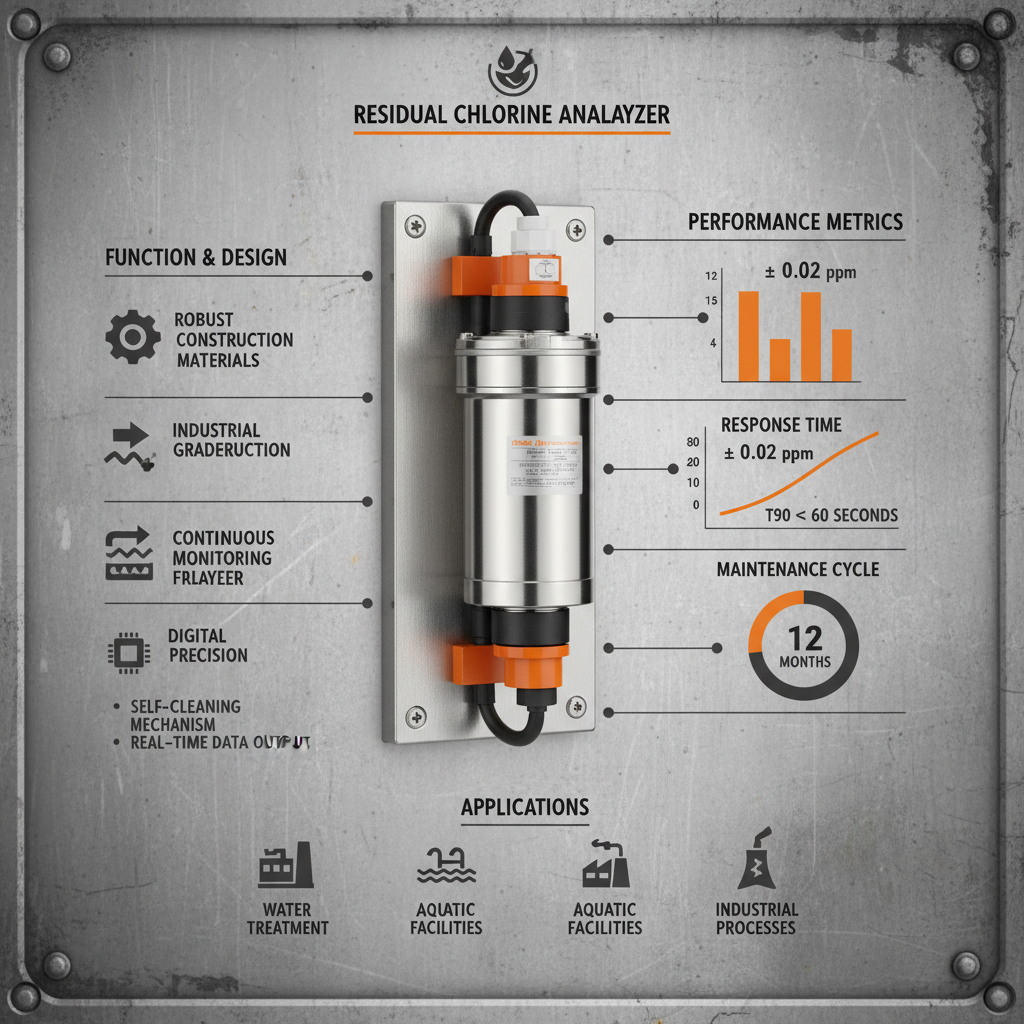
Jensprima offers a range of high-performance residual chlorine sensors designed for accuracy, reliability, and longevity. Our sensors feature robust construction, advanced calibration algorithms, and minimal maintenance requirements. We prioritize customer satisfaction and provide exceptional technical support. Choosing Jensprima ensures you receive a quality product backed by industry expertise, safeguarding your water quality and ensuring operational efficiency.
Selecting the Right Sensor: Key Considerations
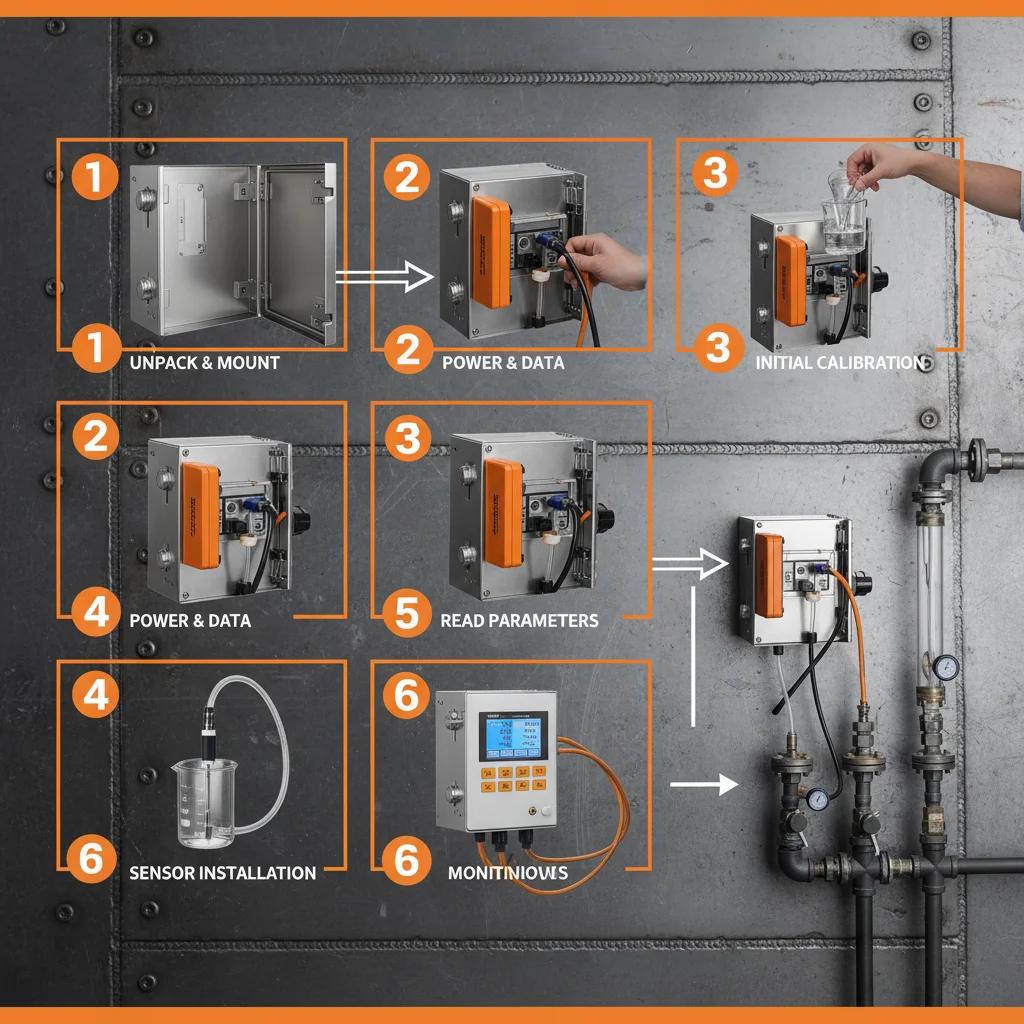
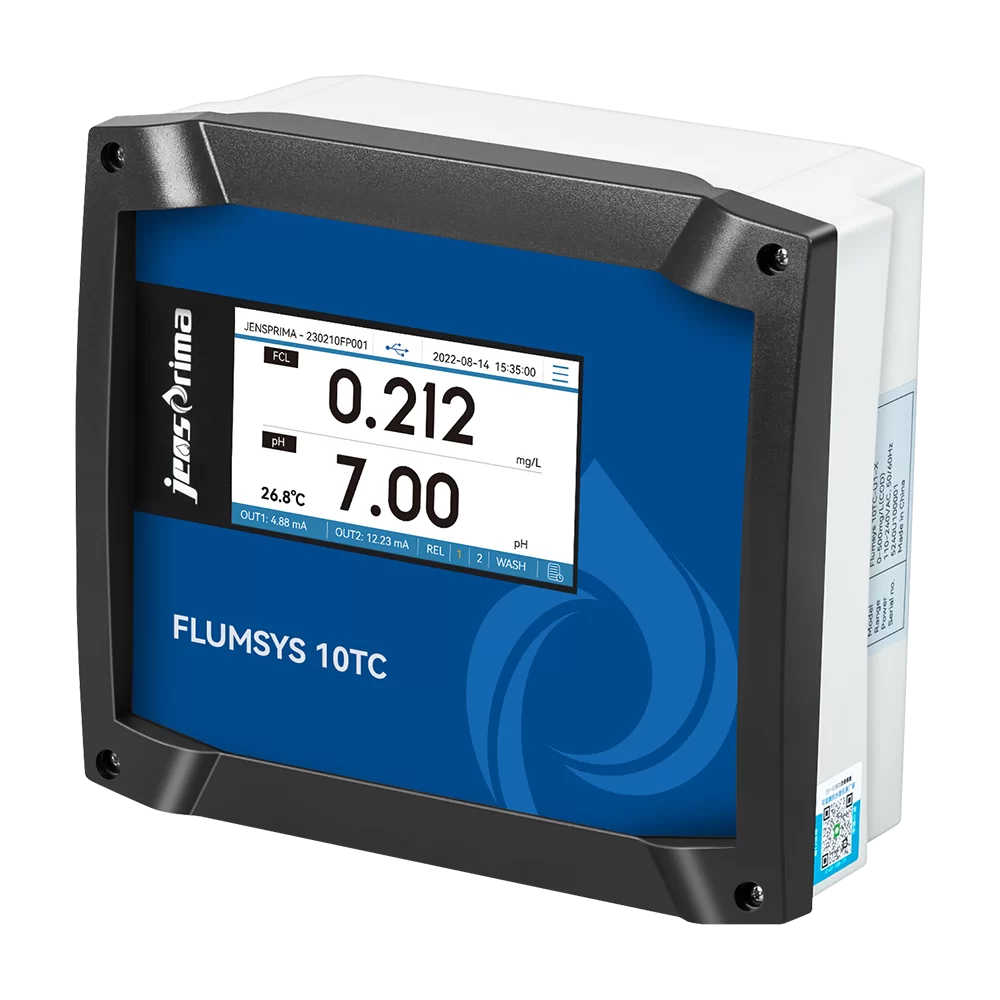
When selecting a residual chlorine sensor, consider factors such as the water source, chlorine concentration range, operating temperature, and the level of accuracy required. Also, evaluate the sensor's maintenance requirements, response time, and compatibility with existing monitoring systems. Jensprima provides expert guidance to help you choose the optimal sensor for your specific needs. We can help you determine the best solution based on your application's unique demands.
Conclusion: Ensuring Water Quality with Jensprima
Investing in a reliable residual chlorine sensor from Jensprima is a crucial step towards maintaining optimal water quality, protecting public health, and optimizing operational efficiency. Our commitment to quality, accuracy, and customer support makes us a trusted partner for a wide range of industries. Contact us today to learn more about our sensor solutions and how we can help you achieve your water quality goals.
Frequently Asked Questions (FAQs)
How often should a residual chlorine sensor be calibrated?
The frequency of calibration depends on the sensor type, operating conditions, and the accuracy requirements of your application. Generally, it's recommended to calibrate residual chlorine sensors every 3-6 months. However, more frequent calibration may be necessary in harsh environments or if the sensor is exposed to fluctuating temperatures or interfering substances. Jensprima sensors are designed for stable performance, but regular calibration is essential to maintain accuracy. We offer calibration services to ensure your sensors are operating optimally.
What factors can interfere with residual chlorine measurements?
Several factors can interfere with accurate residual chlorine measurements. These include pH levels, temperature, the presence of ammonia or organic matter, and the concentration of other oxidizing agents. High pH levels can reduce chlorine's effectiveness, while ammonia can consume chlorine, leading to inaccurate readings. Jensprima sensors are designed to minimize interference, and our data logging systems can often compensate for temperature variations. It's crucial to maintain proper water chemistry and follow recommended sensor maintenance procedures to ensure reliable results.
What is the typical lifespan of a Jensprima residual chlorine sensor?
The lifespan of a Jensprima residual chlorine sensor typically ranges from 1 to 3 years, depending on usage, maintenance, and environmental conditions. With proper care, including regular cleaning and calibration, you can maximize the sensor’s lifespan. Signs that a sensor needs replacing include drifting readings, slow response times, or inability to calibrate accurately. Jensprima provides replacement sensors and comprehensive support to ensure continuous monitoring of your water quality.
How does temperature affect residual chlorine readings?
Temperature significantly impacts residual chlorine readings. As temperature increases, the solubility of chlorine decreases, leading to lower readings. Conversely, lower temperatures can increase chlorine solubility. Jensprima sensors incorporate temperature compensation features to automatically adjust readings based on the water temperature, providing more accurate results. However, it’s crucial to ensure accurate temperature measurement for optimal performance.


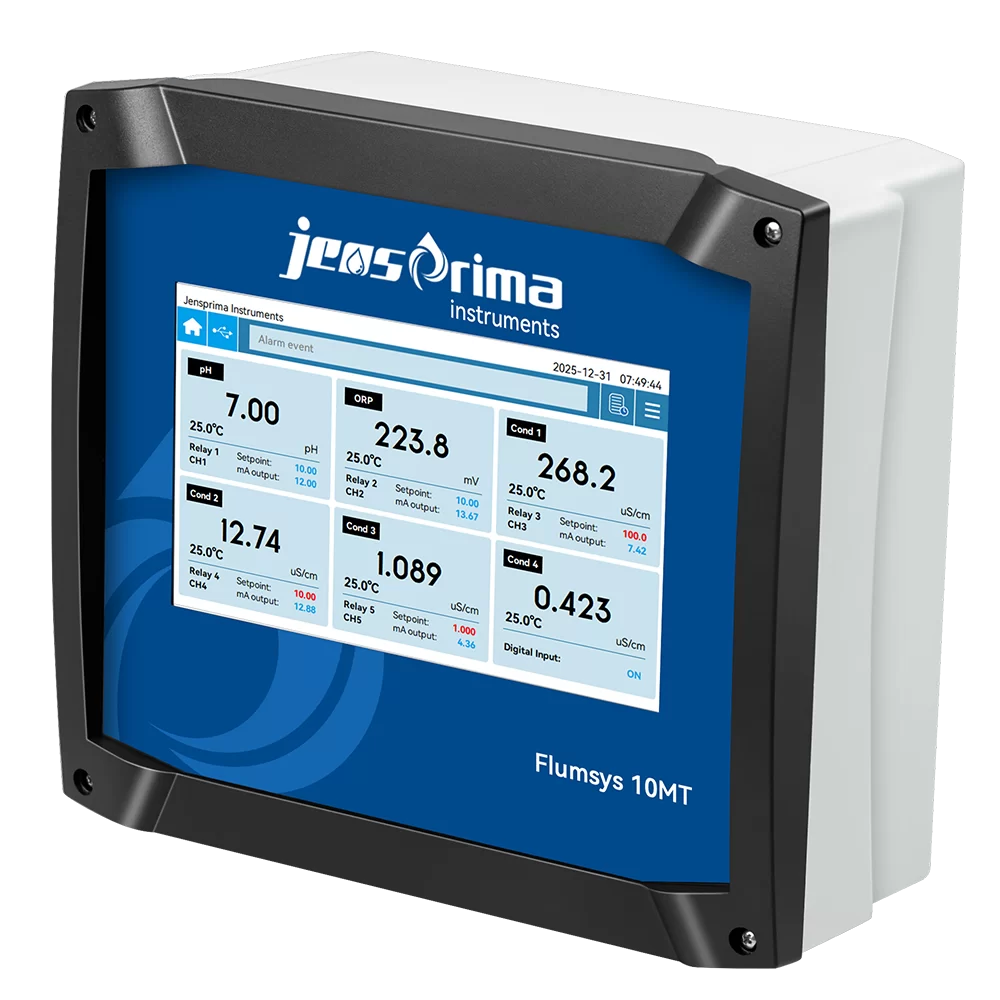
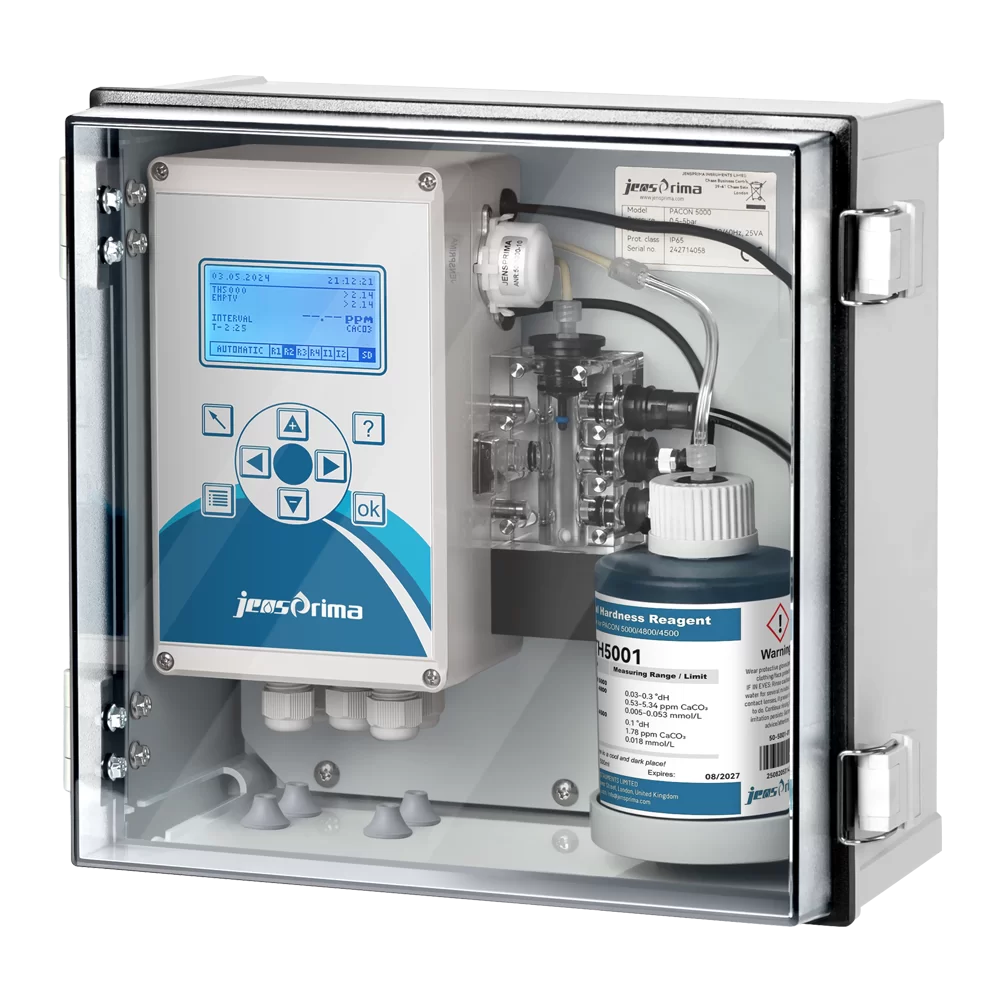
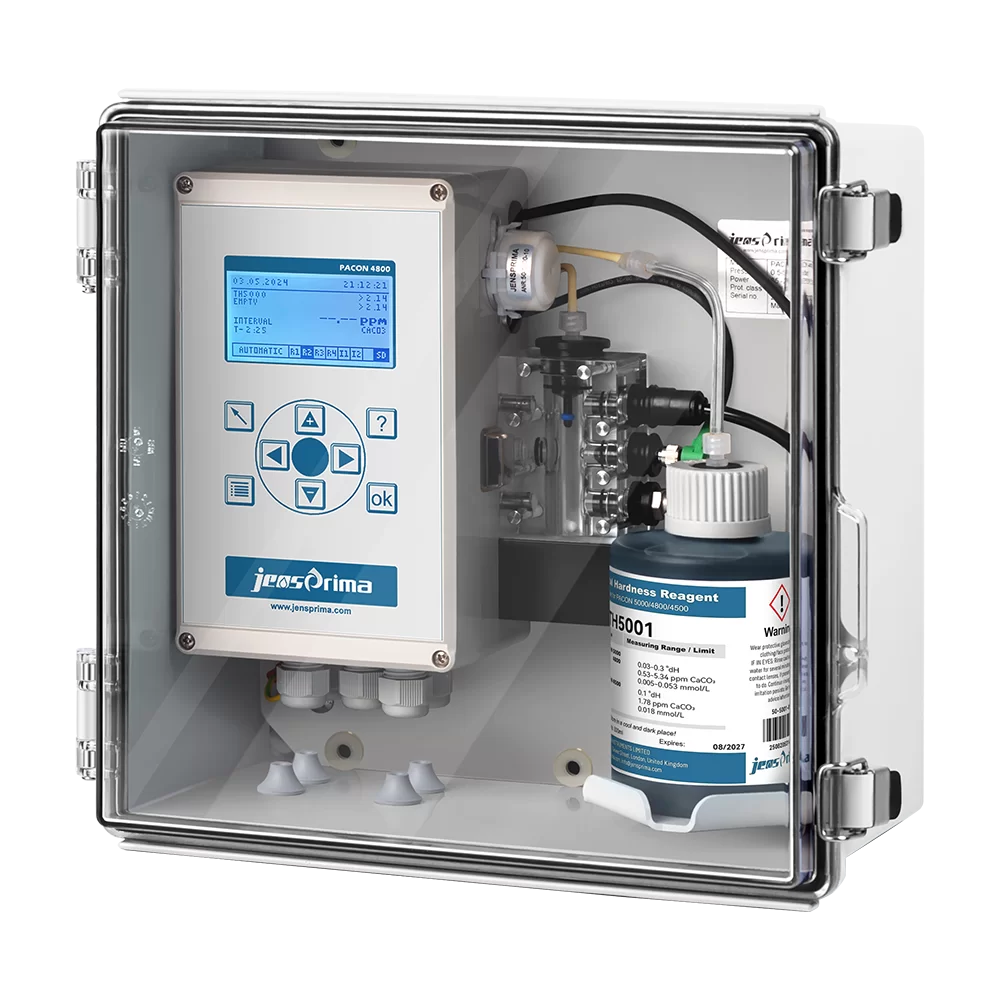


 Download
 Video Center
 Technical Services
 FAQS
FAQS Service Network
 Privacy Policy
 Contact Us




 LEARN MORE